
Last updated September 20, 2026
Full 25-point door and opener safety check with every visit - springs, cables, rollers, tracks, and your LiftMaster or Chamberlain opener included
You get a price before we start. It does not change when the truck arrives.
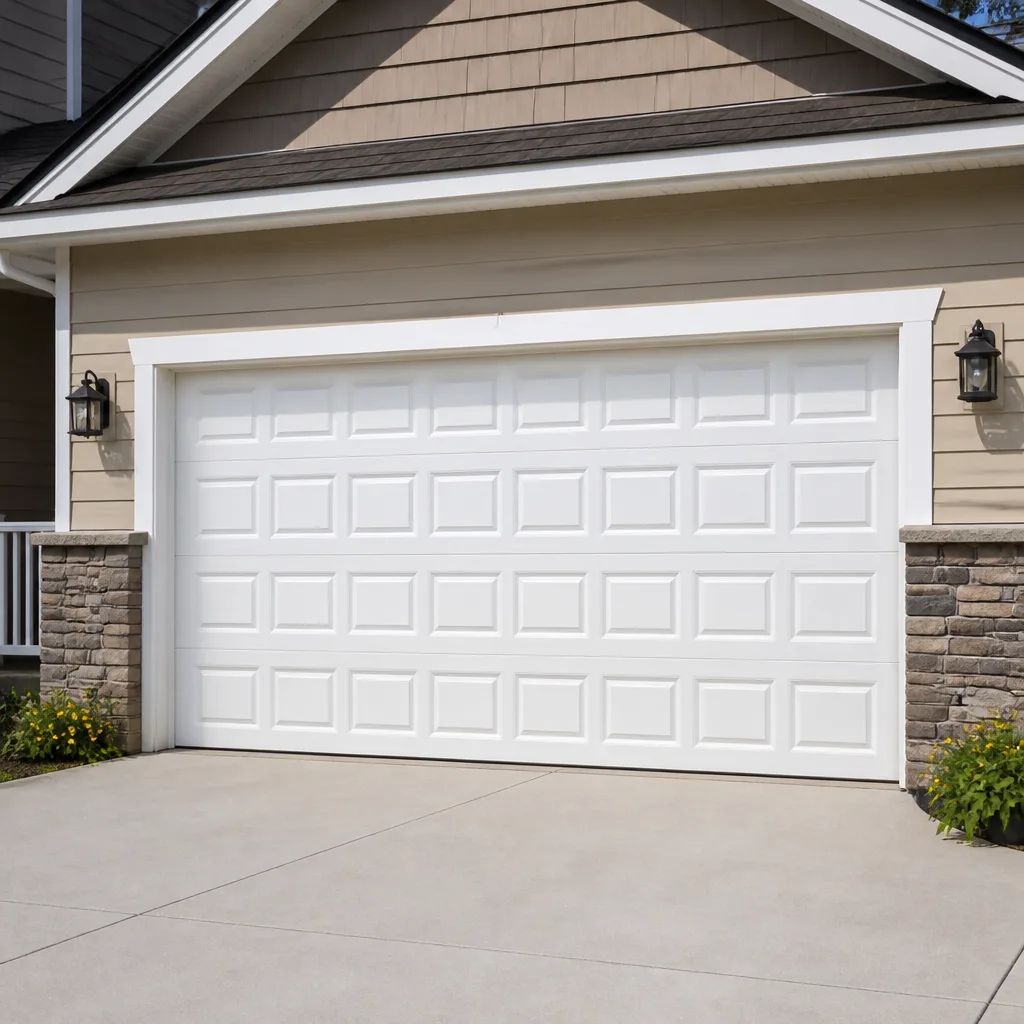
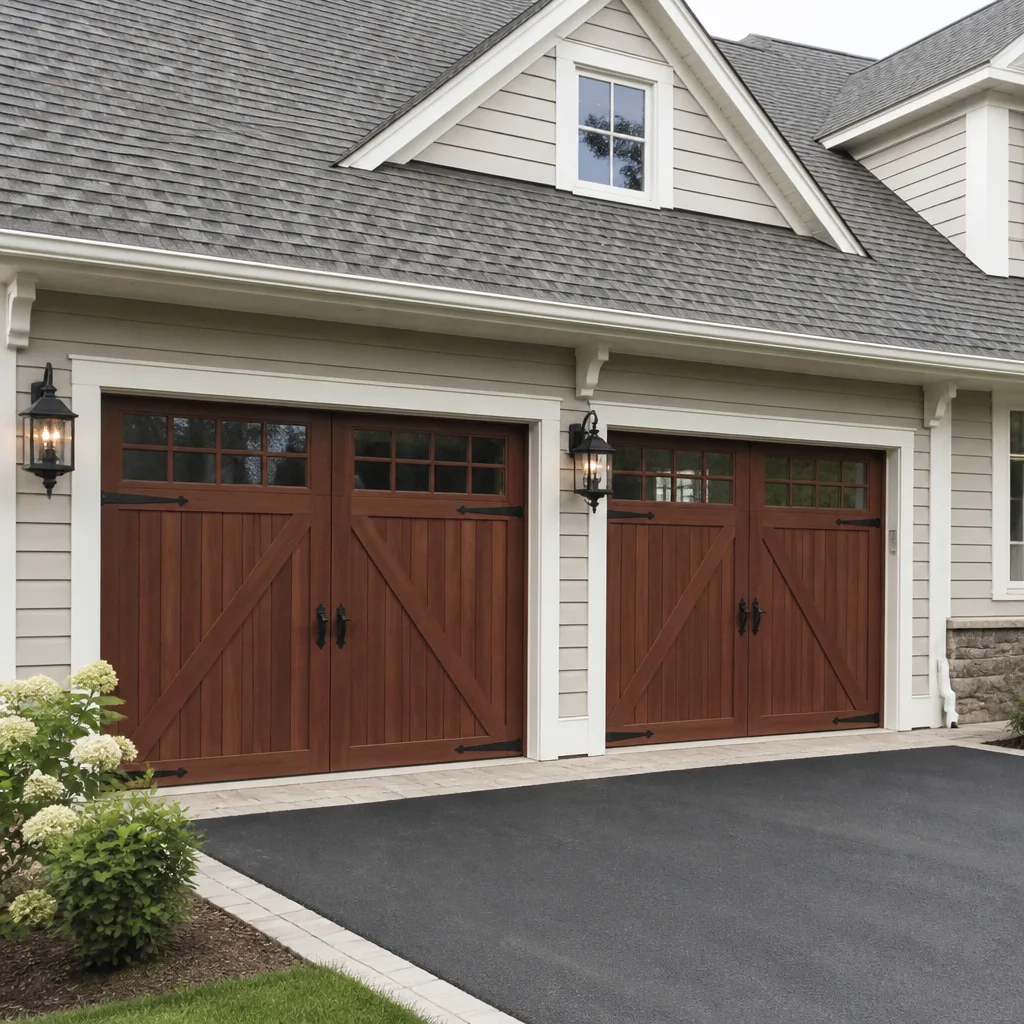
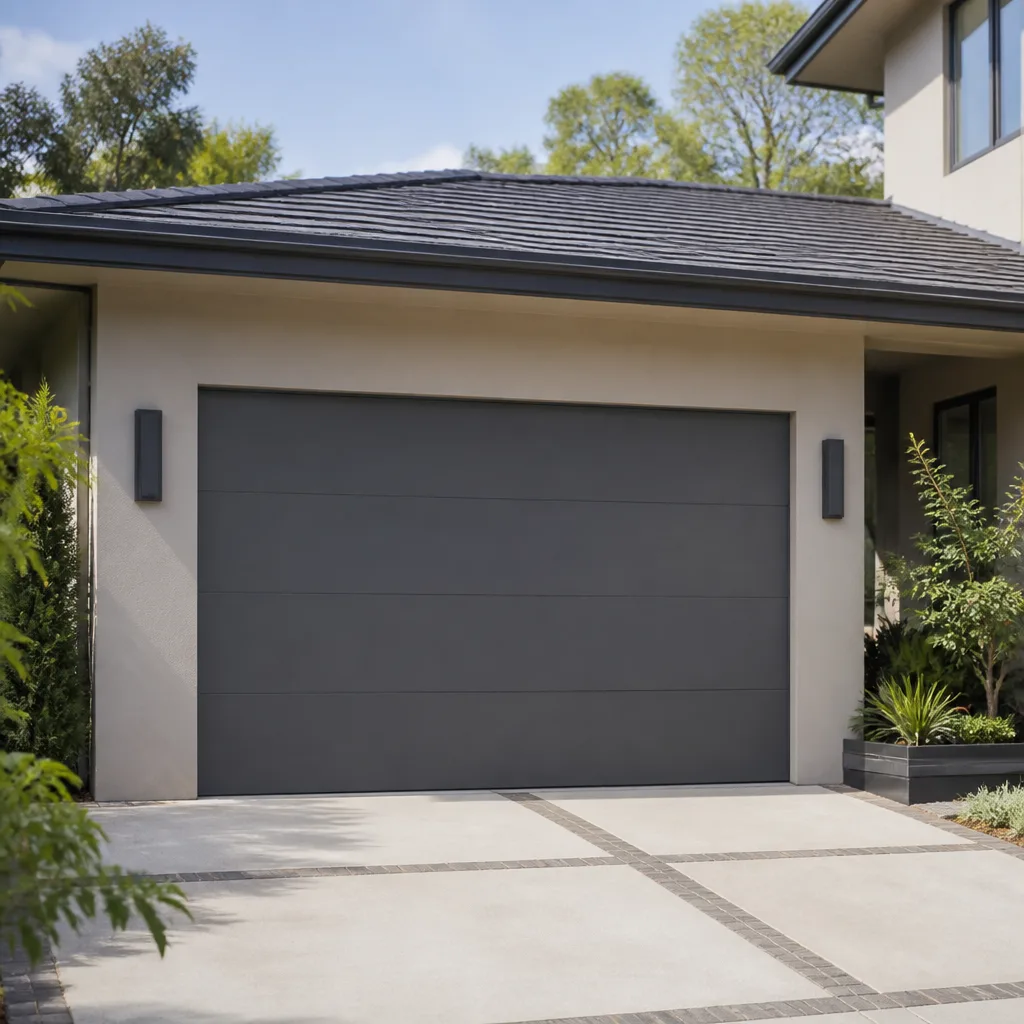
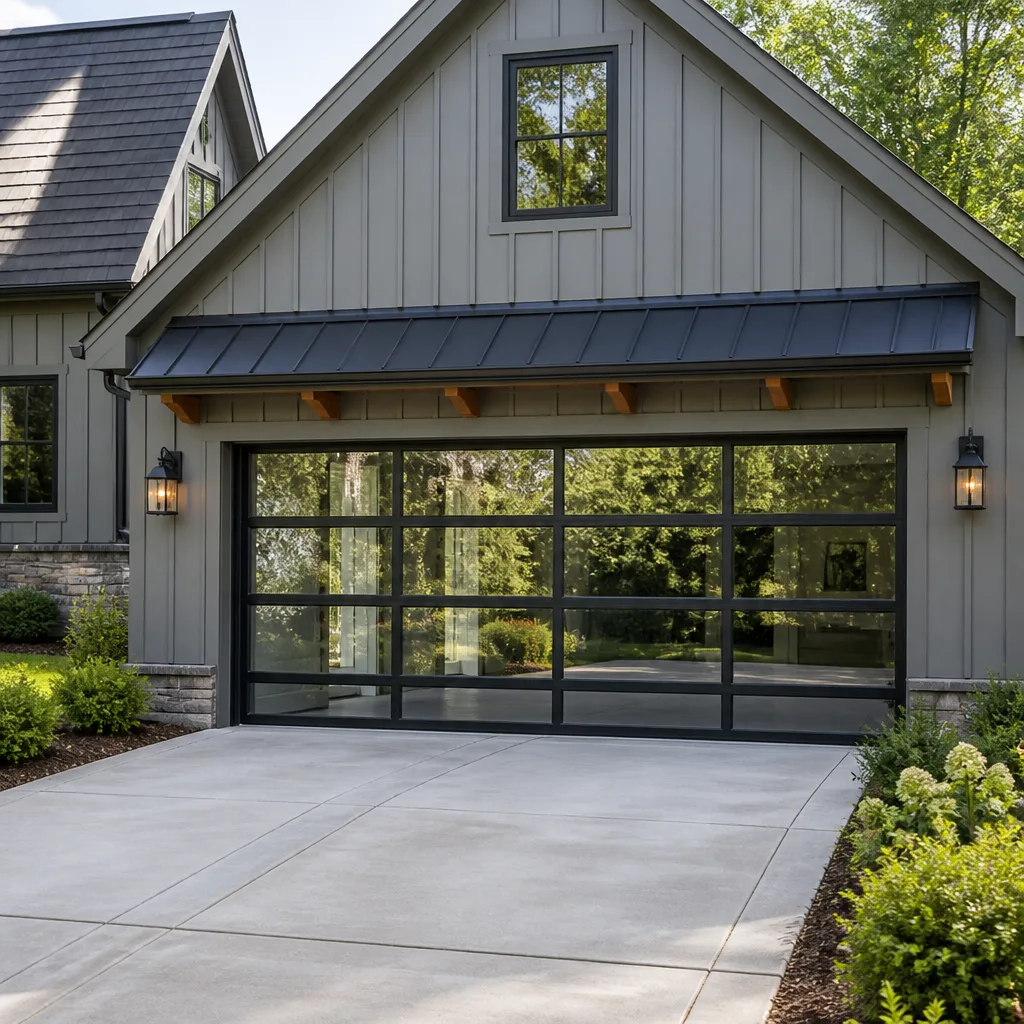
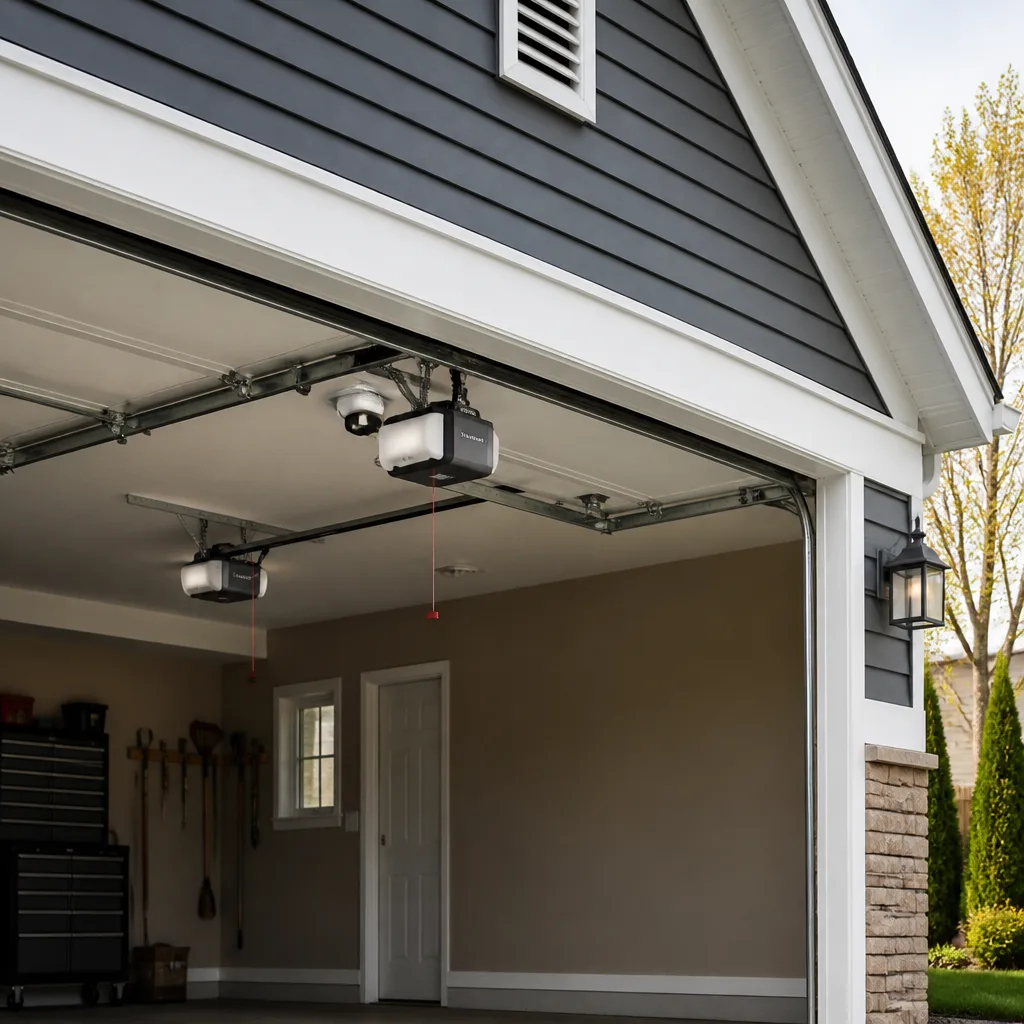
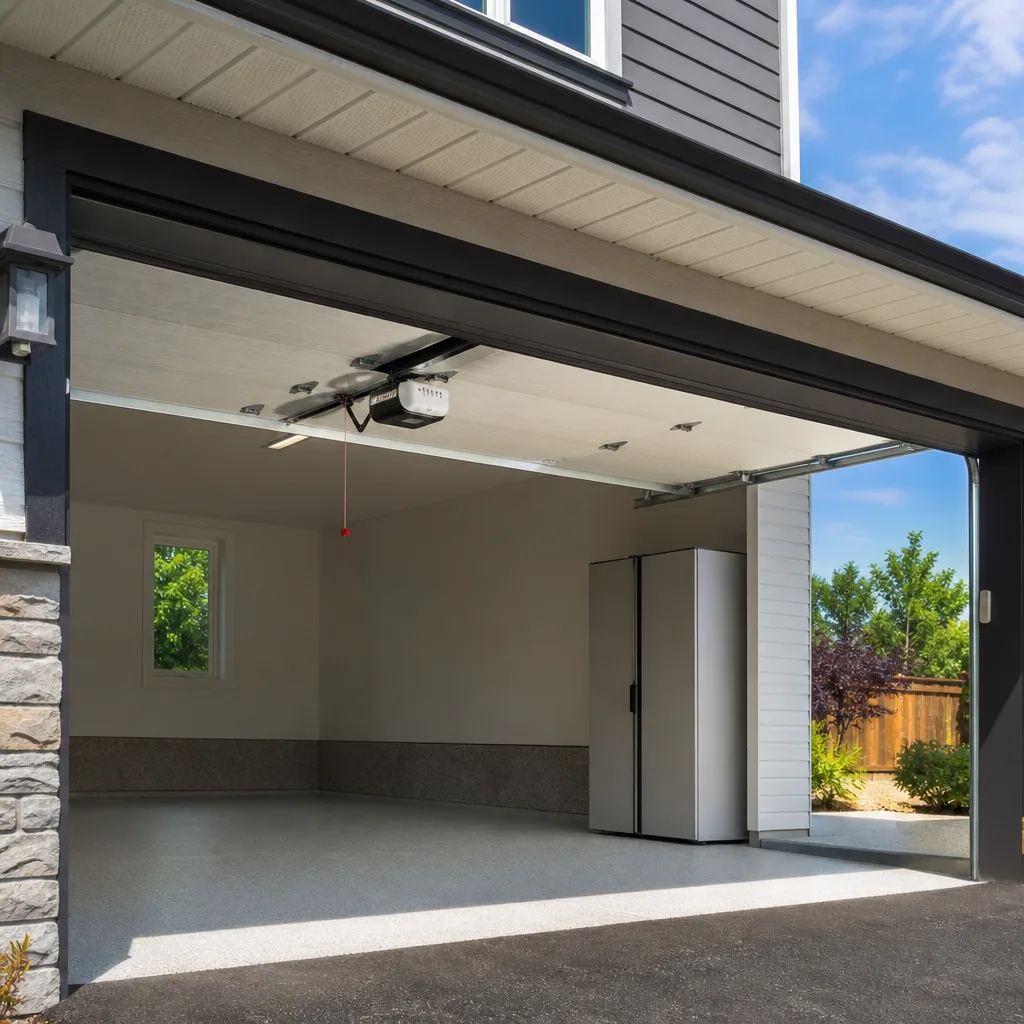
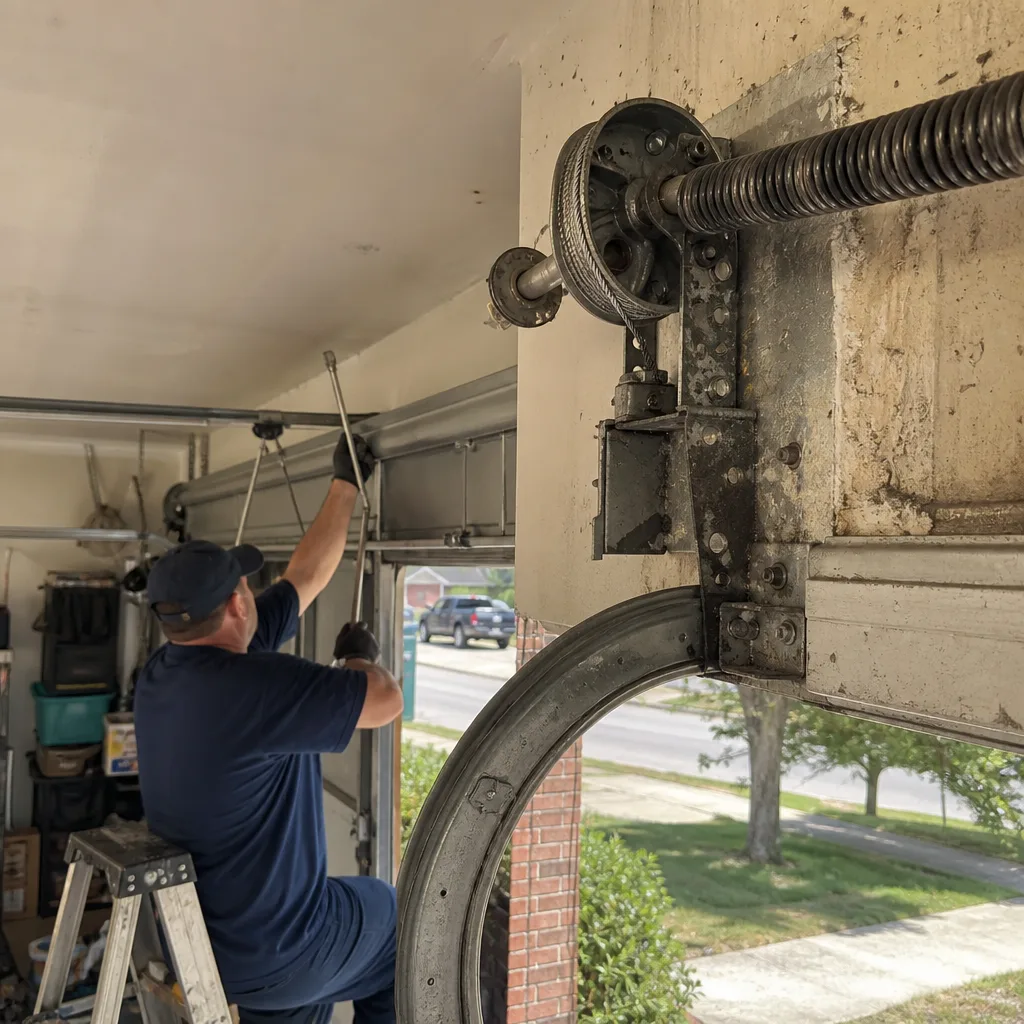 Before
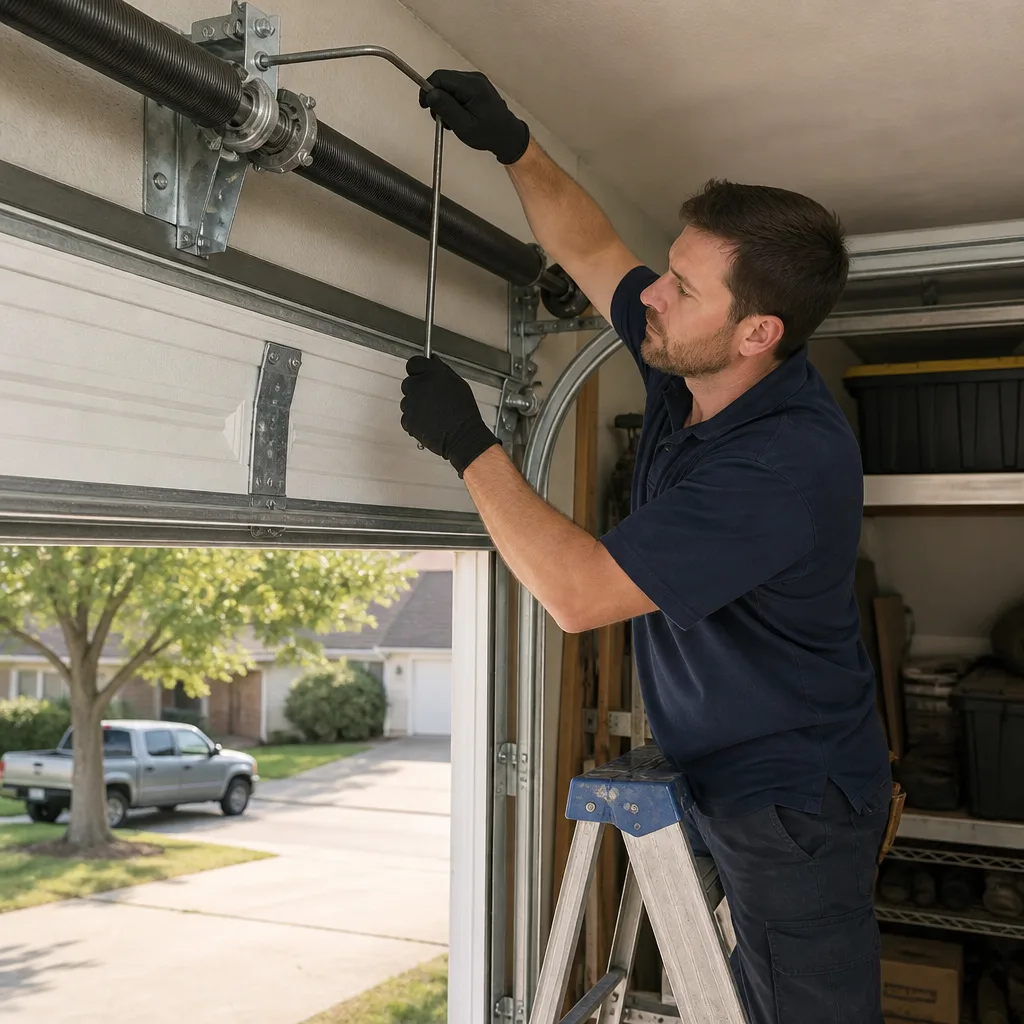 After
After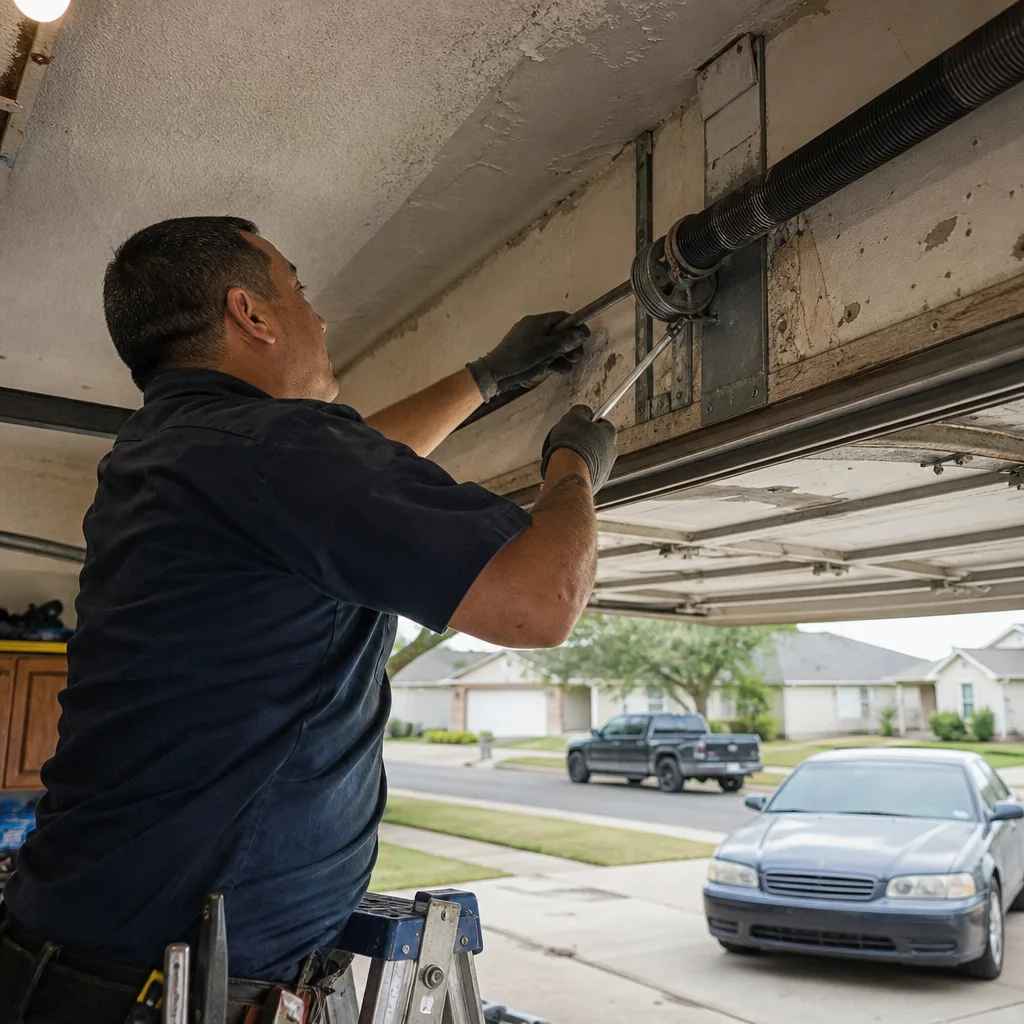 Before
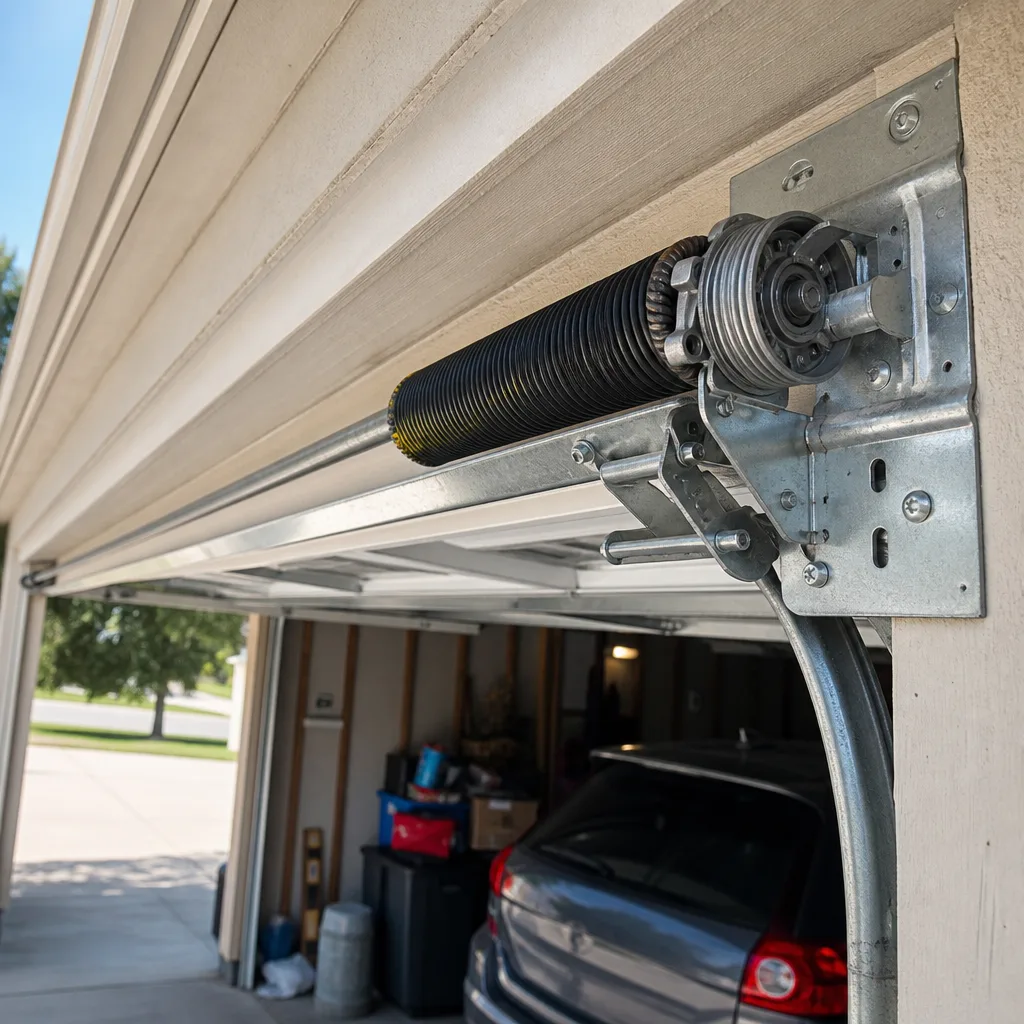 After
After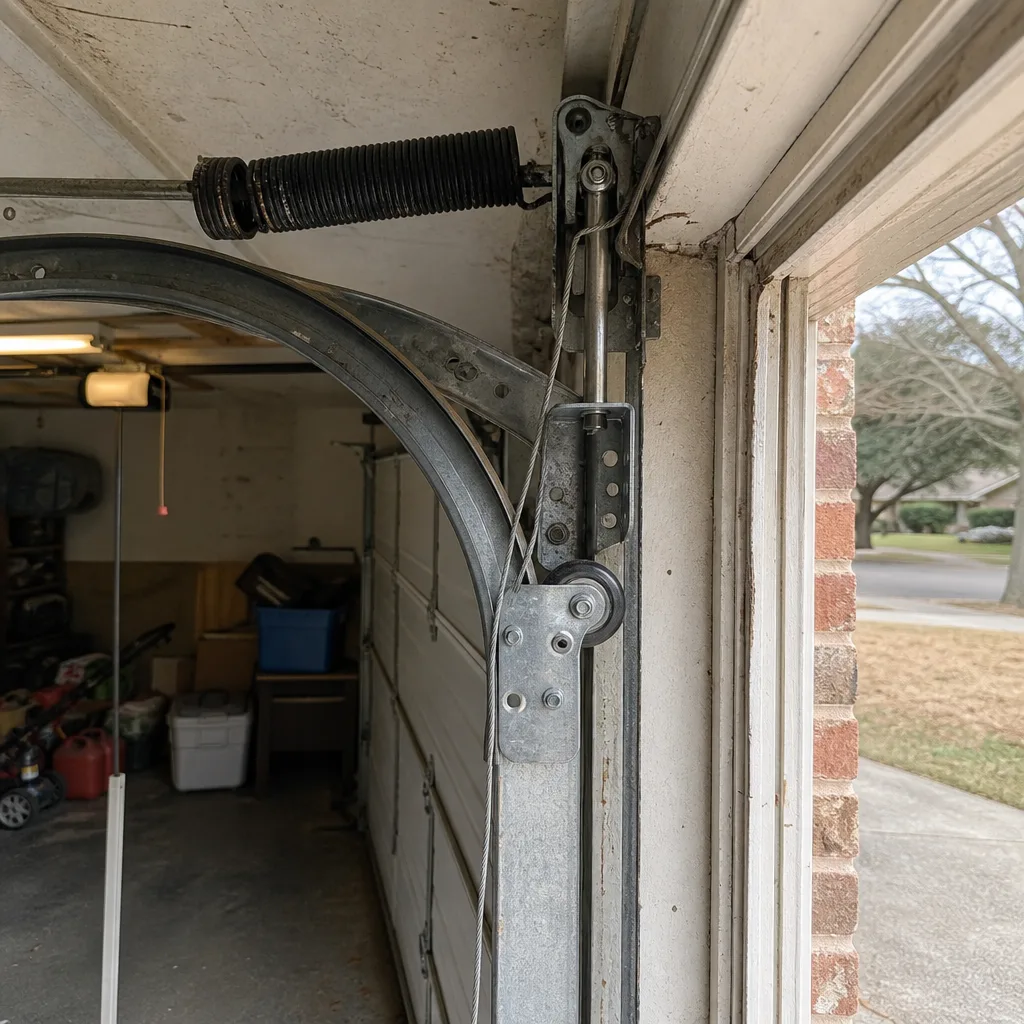 Before
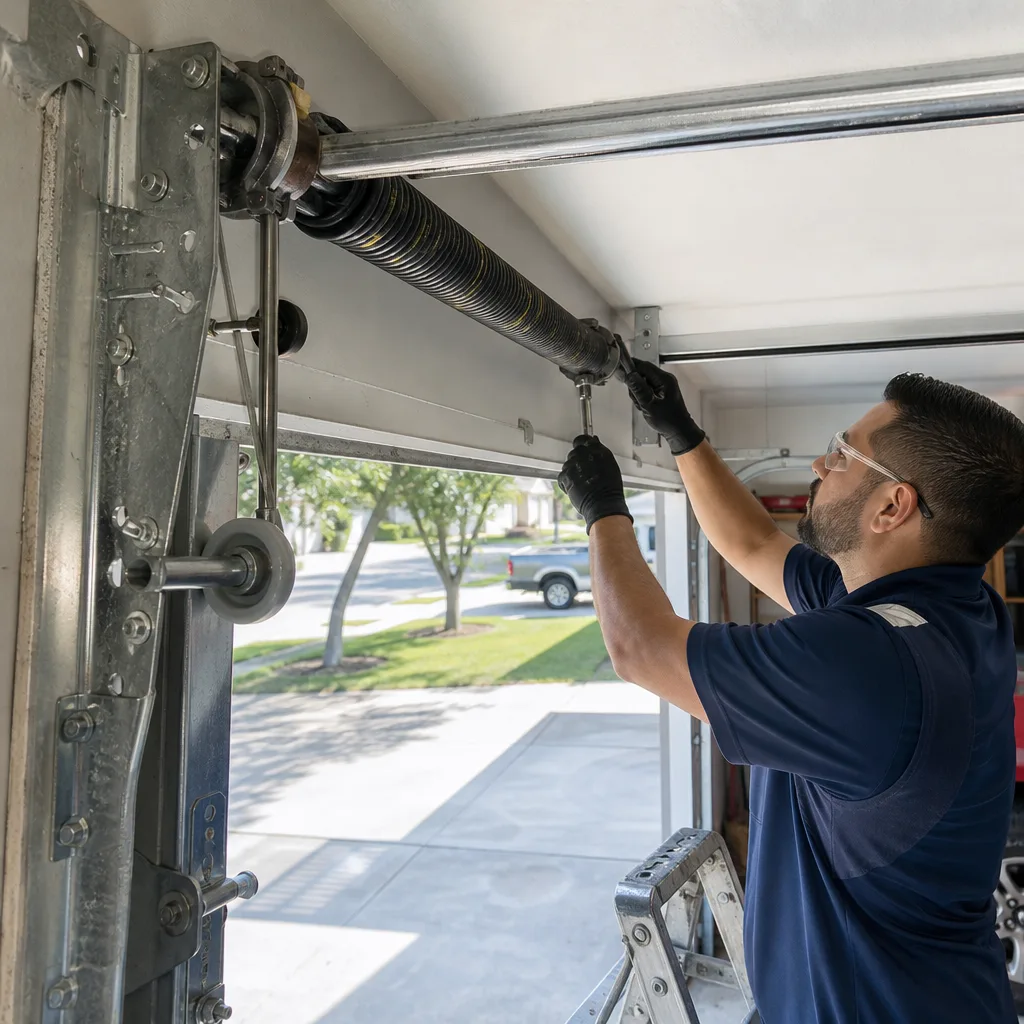 After
AfterGarage Door Permits, Codes & Inspections in TX: What You Need to Know
Most homeowners assume a garage door swap is permit-free, and they’re right about a like-for-like replacement. But the moment the opening width changes, the spring type converts, or the operator gets replaced with something heavier, the City of Garland wants to see a permit before the first panel comes off the truck. This guide walks through the specific triggers in Garland, the Texas wind load codes that override your door’s marketing brochure, what an inspector actually puts hands on during a final check, and what an unpermitted install costs you when you try to sell the house. We’ll also cover the HOA layer that city code never mentions.
Quick Answer
In Garland, a like-for-like garage door replacement on an unchanged opening typically does not require a city permit. You do need a City of Garland building permit when the structural opening is altered (widened, raised, or reframed), when you’re converting from extension springs to torsion, when you install a door heavier than the original, or when you add or relocate a garage door opener’s electrical circuit. Texas wind load ratings are mandatory on every door installed in Garland, and an unpermitted alteration gets flagged during resale inspections and can void a storm-damage insurance claim. For more on what to watch for, see our Garage Door Warning Signs: A Garland Homeowner’s Reference Guide.
Table of Contents
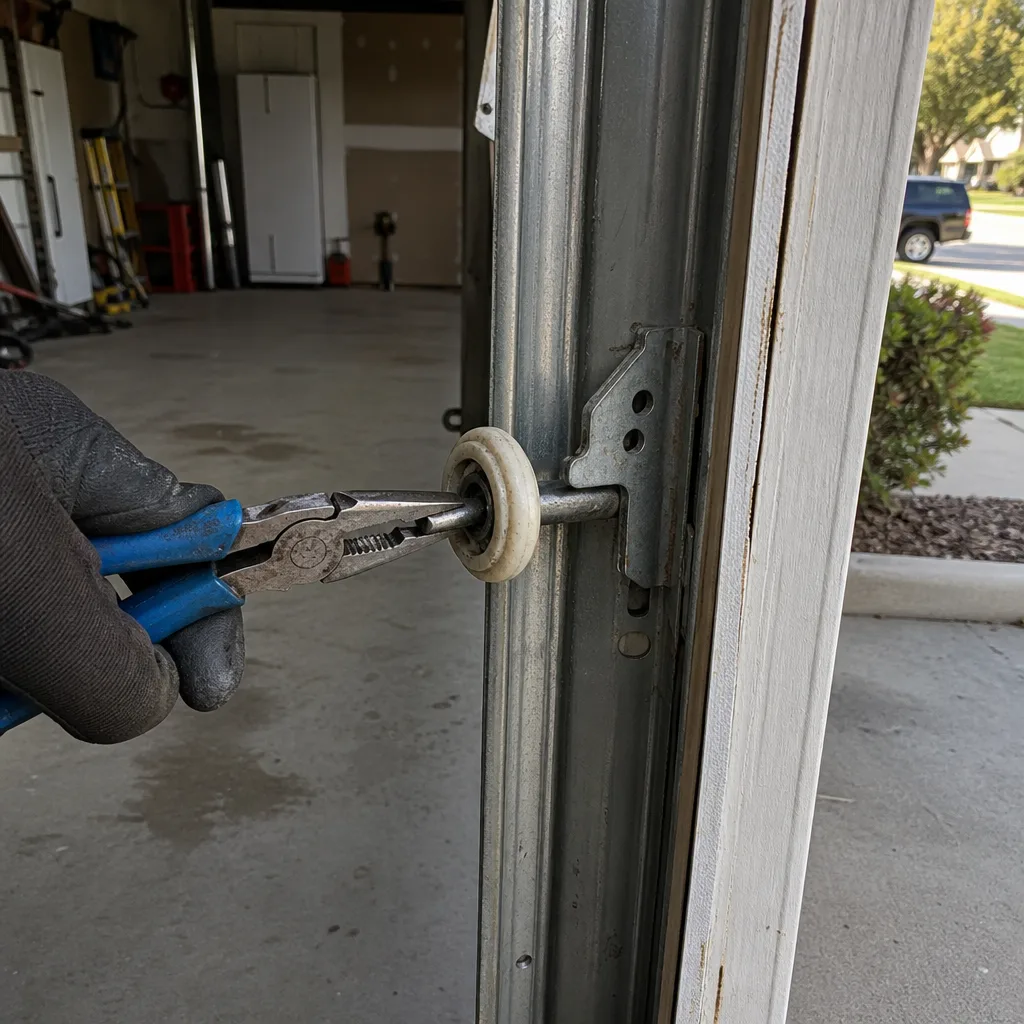
- What Triggers a Garage Door Permit in Garland
- What Counts as Maintenance (No Permit Required)
- Texas Wind Load Requirements for Garage Doors
- Why the Spring Type Is a Permit Trigger
- What Garland Inspectors Actually Check on Site
- What an Unpermitted Garage Door Costs at Resale
- HOA Restrictions on Top of City Code
- Common Mistakes to Avoid
- When to Call a Professional
- Frequently Asked Questions
1. What Triggers a Garage Door Permit in Garland
The City of Garland follows the International Residential Code with local amendments, and the permit line for garage doors sits at structural alteration. Here’s the clean breakdown.
A permit is required when any of the following apply:
- Opening width or height changes: If you’re reframing to fit a wider double door or converting a single opening to a double, that’s structural work. The header, jambs, and framing all get inspected.
- New door exceeds the original weight: A solid wood Amarr or heavy custom door where a lightweight steel panel door existed changes the load on the header and tracks. The city treats this as new structural loading, not a swap.
- Spring system conversion: Converting from extension springs (the two long springs above the horizontal tracks) to a torsion system (the coiled spring on a shaft above the closed door) changes the mounting forces on the header. Garland wants that inspected.
- New electrical circuit for an operator: If you’re adding a garage door opener where none existed and it needs a new circuit run from the panel, that electrical work requires its own permit.
- Adding a second door: Cutting a new opening in a garage wall is structural work, full stop. This is not a door project; it’s a framing project with a door installed in it.
In our experience in Garland neighborhoods like Firewheel, Oakridge, and the older sections near downtown, most permit applications we see fall into the spring-conversion and opening-alteration categories. The rest of what we do falls under maintenance.
2. What Counts as Maintenance (No Permit Required)
Here’s the part most Garland homeowners get wrong in the other direction: they assume any garage door work needs a permit. It doesn’t.
The City of Garland classifies the following as routine maintenance or like-for-like repair, and none of it requires a building permit:
- Panel replacement: Swapping out dented or damaged sections on an existing door with panels of the same material and weight class. You’re not changing the door; you’re repairing it.
- Spring replacement of the same type: A broken torsion spring replaced with a torsion spring of equivalent rating, or an extension spring replaced with an extension spring. Same system, same forces, no permit.
- Cable, roller, hinge, and track replacement: Worn hardware swapped for equivalent hardware. This is the majority of what garage door repair in Garland involves on a daily basis.
- Opener replacement using the existing circuit: Replacing a LiftMaster or Chamberlain opener with a new unit plugged into or wired to the existing circuit. The electrical infrastructure is unchanged.
- Weatherstripping, seals, and lubrication: Cosmetic and preventive work that touches nothing structural.
If the work you’re describing fits into this list, you don’t need to call the city. If you’re unsure, the building department’s permit counter answers questions directly, and the phone call takes five minutes.
3. Texas Wind Load Requirements for Garage Doors
Texas code is not a suggestion, and garage doors are the single largest opening in most homes. When a garage door fails in a storm, the wind pressure enters the garage and has a straight shot at the wall separating the garage from the living space. That’s why the state mandates wind load ratings.
The governing code is the International Residential Code as adopted by Texas, which requires garage doors to resist wind pressures based on the home’s location on the wind speed map. Garland falls into a region where the design wind speed runs between 110 and 115 mph depending on the exact site and exposure category. What that means for you:
- Every door installed in Garland must carry a wind load rating label: Look for a sticker or metal tag on the door showing the tested pressure rating in pounds per square foot (psf). A door without that label should not pass an inspection, and a door without it should never be installed.
- The rating is specific to the door, the opening size, and the installation: You can’t take a door rated for a smaller opening and stretch it. The engineering is tied to width, height, and track configuration.
- Reinforcements matter: On wider doors (16 feet and over, common on two-car garages in Garland), vertical and horizontal reinforcement struts are typically required to meet the wind load. We see a lot of older Garland homes with unstrutted 16-foot doors that would not pass a retrofit inspection today.
- The operator is part of the system: A door rated for wind pressure is useless if the operator’s limit switches don’t seat the door firmly against the jambs. Inspectors check this.
If you’re ordering a door for a Garland installation, specify the wind load requirement explicitly. Some national retailers will happily sell you a door rated for a lower wind zone, and the price difference is not worth the code violation.
4. Why the Spring Type Is a Permit Trigger
This is the piece that surprises most homeowners, so let’s explain the engineering in plain language.
An extension spring system mounts above the horizontal tracks on both sides of the door. When the door closes, the springs stretch. When it opens, they contract. The force they exert runs horizontally, pulling the door up the tracks. A torsion spring system works differently: a coiled spring sits on a shaft mounted above the closed door, and when the door moves, the spring twists. The force runs vertically against the shaft and its mounting brackets, which are anchored into the header above the opening.
Why does Garland care? Because the two systems load the header differently. A torsion system concentrates a twisting load on the center and end brackets. An extension system pulls along the sides. The framing above your garage opening was built to handle one type of load, not necessarily both. When you convert from one to the other, the city wants a permit so an inspector can verify that the header and mounting points are adequate for the new forces.
We mention this because we regularly see extension-to-torsion conversions done without permits in older Garland neighborhoods. The door works fine for years. Then the house goes on the market, the buyer’s inspector flags the header cracks, and the seller is paying for a structural repair plus the permit they skipped. The permit costs less than the repair.
5. What Garland Inspectors Actually Check on Site
Here’s the field checklist, not the code citation. When a Garland building inspector arrives for a garage door inspection, these are the physical items they look at:
- Wind load label present and legible: The inspector wants to read the pressure rating and match it to the approved plans. No label, no pass.
- Header and jamb condition: Cracks, water damage, or prior termite damage in the framing around the opening get flagged. The inspector isn’t there to admire the new door; they’re checking what it’s mounted to.
- Track anchoring: Vertical and horizontal tracks must be secured with the correct fasteners at the correct intervals. Lag screws into drywall are a fail. We’ve seen inspectors reject a job over anchor spacing.
- Spring mounting: Torsion spring brackets must be lagged into solid framing, not a hollow header. The center bearing plate and end plates get a visual check.
- Safety sensors: If an automatic operator is installed, the photo-eye sensors (the small units near the floor on both sides of the opening) must be present, wired, and functional. Texas code requires automatic reversal.
- Manual release: The emergency release mechanism must be reachable and operational. The inspector tests it.
- Balance: The door manually opened halfway should hold position without the operator’s help. A door that creeps is a balance problem and a fail.
- Electrical connection: A new circuit gets the standard rough-in and final checks: proper gauge, proper breaker, proper grounding.
The inspection typically takes under 30 minutes. The most common failure we hear about from Garland homeowners is a wind load label that’s been removed or a sensor that was never reinstalled after a repair.
6. What an Unpermitted Garage Door Costs at Resale
This is where the project that saved you $150 in permit fees becomes a $3,000 line item on a buyer’s repair request, which is why our Garage Door Repair Maintenance Checklist for Garland Homeowners covers permit planning upfront.
When a home goes under contract in Garland, the buyer typically hires a home inspector. A good inspector knows what a permitted garage door installation looks like: wind load label, clean track anchoring, proper spring mounting, sensors in place. They also know what an unpermitted conversion looks like. If the inspector flags the door, the buyer’s realtor has leverage, and they use it.
Here’s how it plays out in practice:
- The buyer’s lender may require a retrofit: FHA and VA loans in particular trigger minimum property requirements. An unpermitted structural alteration can stall the loan until the seller pulls a permit retroactively and an inspector signs off.
- The negotiation skews against the seller: Once the buyer knows the door wasn’t permitted, they assume the work was substandard. They’ll ask for a credit, a repair, or a price reduction. The seller, who just wanted a new garage door four years ago, is now defending a $400 door against a $2,500 demand.
- Insurance claims get complicated: If the door fails during a storm and the insurer discovers the installation was unpermitted and didn’t meet the wind load code, the claim can be denied. The adjuster asks for the permit. “I didn’t know” doesn’t restore a denied claim.
- Disclosure becomes mandatory: Texas requires sellers to disclose known defects and unpermitted work. Lying on the disclosure form exposes the seller to post-closing lawsuits.
The buyer’s negotiating leverage is the thing to understand here. An unpermitted garage door is a discovered defect with a documented code violation attached. The buyer names the price, and the seller usually pays it.
7. HOA Restrictions on Top of City Code
City code sets the floor. Your HOA sets the ceiling. Garland has dozens of HOA-governed communities, and many of them publish architectural guidelines that restrict what you can hang on the front of your garage.
The common restrictions we see in Garland-area HOAs:
- Color and finish: The door must match the approved palette for the community. White is not automatically approved. Some HOAs restrict doors to specific manufacturer color codes.
- Material: Some covenants restrict the use of wood or wood-look doors in favor of painted steel. Others do the opposite and prohibit certain materials that fade in the Texas sun.
- Panel profile: A flush door versus a raised-panel door may require architectural committee approval. The profile changes the home’s street-facing appearance, and HOAs care about that.
- Window inserts: Adding windows to a garage door triggers architectural review in many communities. Some HOAs prohibit them outright for privacy reasons.
- Placement of operators: Some covenants restrict where exterior keypads or operator control panels can be mounted.
The sequence that works: check the HOA guidelines first, then the city permit requirements, then order the door. Skipping the HOA check means you might install a permitted, code-compliant door that your HOA then orders you to replace. We’ve seen it in Garland. The second door costs more than the first, because now you’re paying twice.
If you’re early in the process and want a professional read on what will pass, garage door installation in Garland starts with reviewing the opening, the existing door, and the governing requirements before a single panel is ordered.
8. A Note on Garage Door Opener Permits
Opener work deserves its own mention because the rules split cleanly.
Replacing an existing operator using the existing electrical outlet or circuit requires no permit. The mechanical work is a swap: remove the old unit, mount the new one, wire it to the existing connection, adjust the travel limits and force settings, test the safety sensors. This is the most common opener job we do in Garland, and it requires nothing from the city.
Installing an opener where none exists, and running a new circuit from the electrical panel, requires an electrical permit. The new circuit adds load to the panel, the wiring must meet current code, and Garland wants to inspect the rough-in before drywall covers it and the final connection afterward.
A third case that trips people up: relocating an opener. If you’re moving the operator from a front-mounted position to a side mount (jackshaft), the mounting surface changes and new structural anchors are installed. This typically triggers a permit because the door’s existing track and spring configuration may not support a side-mount opener without modification. For specifics on this work, see garage door opener repair and installation in Garland.
BeforeAfterCommon Mistakes to Avoid
- Assuming all garage door work is permit-free: The like-for-like rule is real, but the moment you touch the opening dimensions, the spring type, or the circuit, you’ve crossed into permit territory. Verify before you order.
- Ordering a door without checking the wind load rating: A door marketed as a “standard” panel may not carry a wind load label suitable for Garland’s 110-115 mph design zone. If the label isn’t on the door, the inspector will not pass it.
- Skipping the HOA review: City approval doesn’t override HOA covenants. In Garland communities with architectural committees, an unapproved door becomes a compliance letter and a mandatory replacement.
- Doing a spring conversion without a permit: Extension-to-torsion conversions change the structural loading on your header. The permit exists because the forces are real, not because the city wants a fee.
- Removing the wind load label: Homeowners peel off stickers for aesthetics. That label is a code document. Without it, the door fails inspection.
- Declining the electrical permit for a new opener circuit: The opener may work fine. The insurance claim after an electrical fire won’t.
- Accepting the lowest bid without asking about permits: A contractor who quotes below market by skipping the permit is passing the liability to you. The permit fee is on the invoice for a reason.
When to Call a Professional
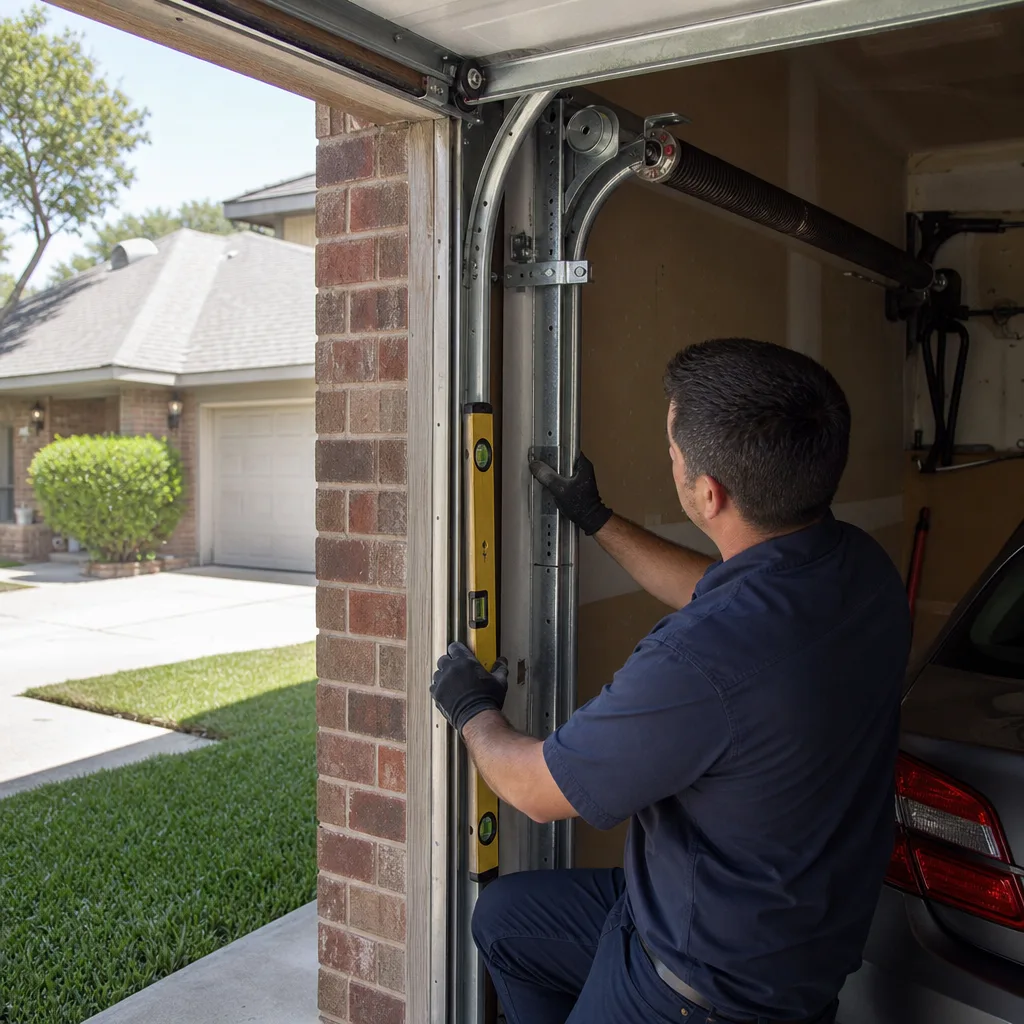
Garage door work straddles the line between weekend project and genuinely dangerous. The springs, whether extension or torsion, are under high tension at all times. A torsion spring that releases while you’re adjusting it can cause serious injury. We do not recommend spring-related work as a DIY project, period.
Call a professional when: the opening needs reframing; the spring type is changing; the door carries a wind load requirement you can’t verify; the HOA wants documentation; the previous installation was unpermitted and needs to be brought into compliance; or you’re selling and need the paperwork trail clean before listing. Servo Garage Doors Garland offers free estimates in Garland, and our written price includes the permit scope and a documented photo record of findings before any work begins. Call (469) 949-6806.
Frequently Asked Questions
A like-for-like replacement on an unchanged opening with no spring type conversion and no new electrical work does not require a permit in Garland. If the opening size changes, the spring system converts, the door weight increases significantly, or a new electrical circuit is added, a permit is required.
Garland building permit fees vary based on the valuation of the work. A typical garage door permit in Garland runs in the low hundreds of dollars, but you should confirm the current fee schedule with the City of Garland building department, as fees are updated periodically.
Unpermitted work gets flagged during home inspections at resale, can complicate insurance claims if the door fails, and may require a retroactive permit plus inspection before the sale closes. The remedy often costs more than the original permit would have.
Yes. Texas building code requires garage doors to meet wind load requirements based on the design wind speed for the home’s location. In Garland, that’s typically 110-115 mph, and every door must carry a wind load pressure rating label.
Yes. Many Garland-area HOAs publish architectural guidelines covering garage door color, material, panel profile, and window inserts. HOA approval is separate from city permitting, and both are required before installation in governed communities.
No. A spring conversion changes the loading forces on the header above the opening, which is structural. The City of Garland requires a permit for extension-to-torsion conversions so the framing and mounting points can be inspected.
An inspector checks the wind load label, header and jamb condition, track anchoring, spring mounting, safety sensor function, manual release operation, door balance, and any new electrical work. The inspection typically takes under 30 minutes.
The Bottom Line
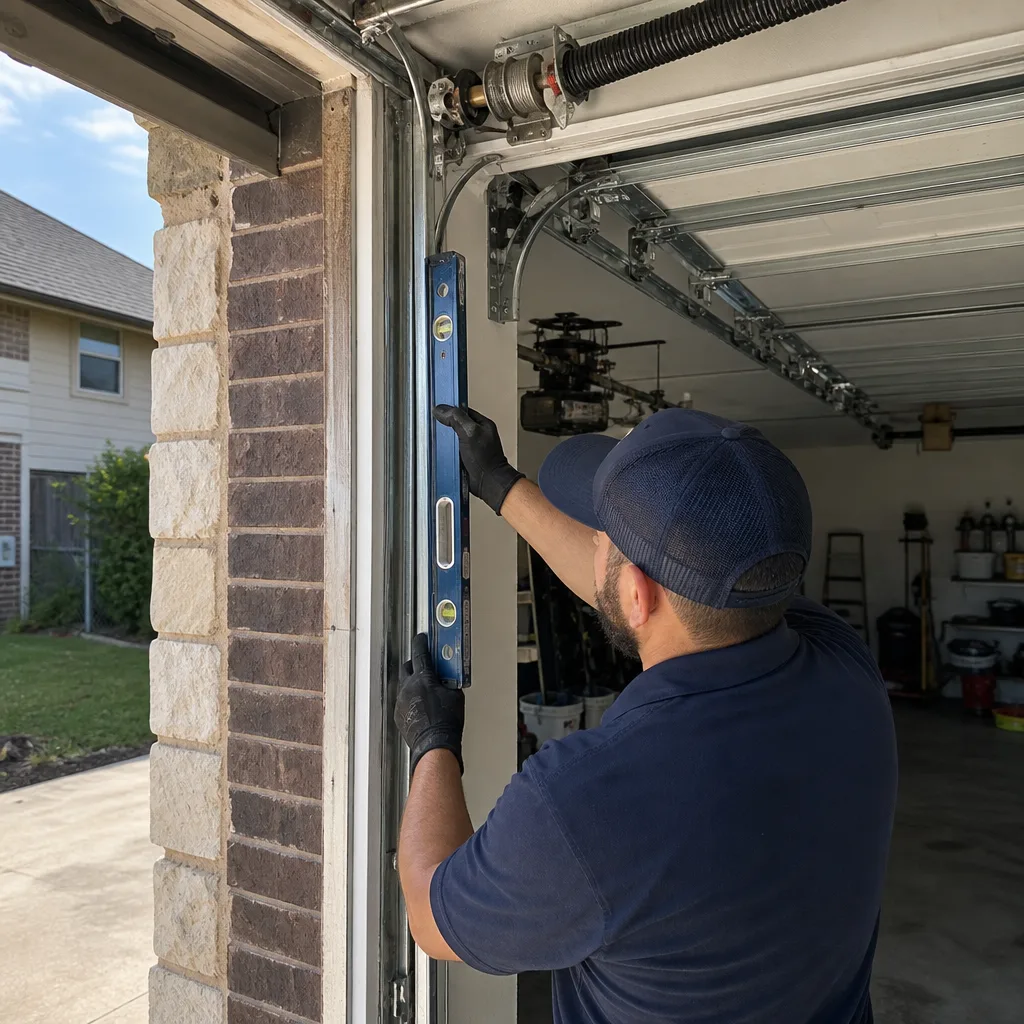
Garage door permitting in Garland comes down to a clean split: like-for-like maintenance needs nothing from the city, while structural alterations, spring conversions, and new circuits need a permit and an inspection. Texas wind load requirements apply to every door, not just the ones with permits. HOA rules add a second layer that city code won’t mention. The most expensive path is skipping the permit, because the cost surfaces later during resale or an insurance claim. A permitted installation with a documented photo record and a written scope protects the sale, the claim, and the house. For a free estimate on garage door work in Garland, call (469) 949-6806. You can also learn more at the Servo Garage Doors Garland home page.
Written by Marcus Deller, Owner at Servo Garage Doors Garland, serving Garland since 2015.